
Winter is hard on homes, and small issues can turn into expensive repairs if they’re not addressed early. Luckily, a few simple maintenance tasks can help homeowners protect their investment, improve efficiency, and save money all season long. Here are three winter priorities that deliver the biggest return.
1. Seal Air Leaks Around Windows and Door
Drafty windows and doors aren’t just uncomfortable, they drain energy and drive up heating bills. Over time, weatherstripping wears out and caulk dries and cracks, allowing warm air to escape and cold air to creep in. A quick weekend project to inspect and replace worn weatherstripping, re-caulk gaps, and add door sweeps can make a noticeable difference in comfort and efficiency.
Drafty windows and doors aren’t just uncomfortable, they drain energy and drive up heating bills. Over time, weatherstripping wears out and caulk dries and cracks, allowing warm air to escape and cold air to creep in. A quick weekend project to inspect and replace worn weatherstripping, re-caulk gaps, and add door sweeps can make a noticeable difference in comfort and efficiency.
2. Clean and Inspect the HVAC System
A heating system has to work harder during the winter months, and neglecting routine maintenance can shorten its lifespan or lead to costly breakdowns. Homeowners should replace their furnace filter every one to three months to keep the system running efficiently and to reduce strain on the blower motor. It’s also smart to schedule an annual HVAC tune-up before the coldest weather hits.
A heating system has to work harder during the winter months, and neglecting routine maintenance can shorten its lifespan or lead to costly breakdowns. Homeowners should replace their furnace filter every one to three months to keep the system running efficiently and to reduce strain on the blower motor. It’s also smart to schedule an annual HVAC tune-up before the coldest weather hits.
3. Clear Gutters and Downspouts
Even in warmer climates, winter storms can bring heavy rain, and clogged gutters can cause water to overflow, damaging roofs, siding, and landscaping. Homeowners should remove leaves, debris, and any blockages from gutters and downspouts, and ensure water is directed away from the foundation.
Even in warmer climates, winter storms can bring heavy rain, and clogged gutters can cause water to overflow, damaging roofs, siding, and landscaping. Homeowners should remove leaves, debris, and any blockages from gutters and downspouts, and ensure water is directed away from the foundation.
4 WAYS TO REDUCE SICKNESS IN YOUR HOME EACH WINTER
In a world where people spend 90% of their time indoors, and even more time at home during the colder months of the year, doctors and engineers have been noticing a common theme. Despite our best efforts, some people’s homes just might be contributing to why they get so sick each winter. The good news is that there’s plenty that can be done to create a healthier environment at home. Here are five ways to get started.
1. Build Tight and Ventilate Right
You might recall hearing the advice to open your windows on occasion so that you promote a healthy cycle of outdoor air and indoor air through your home, and there is some truth to that old advice! Homes that don’t have an easy pathway for stale indoor air to escape only expose their inhabitants more to toxic buildup like radon, VOCs from cleaning supplies, and many other harmful air particles.
You might recall hearing the advice to open your windows on occasion so that you promote a healthy cycle of outdoor air and indoor air through your home, and there is some truth to that old advice! Homes that don’t have an easy pathway for stale indoor air to escape only expose their inhabitants more to toxic buildup like radon, VOCs from cleaning supplies, and many other harmful air particles.
2. Battle Dryness (But Not Too Much!)
Of course there is a reason why simply leaving windows open during the winter isn’t the best idea. Winter air isn’t just cold, it’s also extremely dry which leads to itchy, uncomfortable skin, throat irritation, and respiratory illness. For leaky homes, heat loss is a constant issue, and heat loss also means a loss of humidity inside the home.
Of course there is a reason why simply leaving windows open during the winter isn’t the best idea. Winter air isn’t just cold, it’s also extremely dry which leads to itchy, uncomfortable skin, throat irritation, and respiratory illness. For leaky homes, heat loss is a constant issue, and heat loss also means a loss of humidity inside the home.
Humidifiers are the best counter for dry air in homes, with an ideal target of 40% to 60% humidity indoors. This target area is the best way to limit the growth of bacteria and viruses in the air, while also avoiding harmful mold growth indoors.
3. Dust, Sweep, and Clean
No one likes living in a dusty, dirty home, and in the winter dust can accumulate rapidly indoors. Dust isn’t just an eyesore, though. Dust particles are serious irritants that can kick off asthma attacks, provoke allergic reactions, and inflame breathing passages. Following the previous two steps will already cut back on dust in the house substantially since a lot of dust originates outdoors, but families should still watch what they track inside.
No one likes living in a dusty, dirty home, and in the winter dust can accumulate rapidly indoors. Dust isn’t just an eyesore, though. Dust particles are serious irritants that can kick off asthma attacks, provoke allergic reactions, and inflame breathing passages. Following the previous two steps will already cut back on dust in the house substantially since a lot of dust originates outdoors, but families should still watch what they track inside.
Doormats neatly placed at each entrance will instantly cut down on the debris tracked into homes, and families that remove their shoes at the door will further limit the spread of dirt. It’s also important to note that rugs, carpets, and other textiles throughout the home have a terrible habit of harboring dust particles. Hardwood flooring and tile give dirt and dust less room to hide, but if those aren’t an option, vacuuming a bit more often during the winter isn’t a bad idea!
4. Keep the Family Hydrated
Staying hydrated is important, but the water your family drinks should be safe. Corroded or rusted pipes diminish the quality of drinking water even before leaks occur, and lead is well known for its toxicity. Home inspectors can be called on to perform water quality testing, and sewer scope cameras give homeowners a much fuller understanding of the state of their plumbing. Intruding tree roots, freezing temperatures, and shifting movement in the earth can all cause leaks or breaks in plumbing lines. Keep an eye out for the telltale signs of a water leak!
Staying hydrated is important, but the water your family drinks should be safe. Corroded or rusted pipes diminish the quality of drinking water even before leaks occur, and lead is well known for its toxicity. Home inspectors can be called on to perform water quality testing, and sewer scope cameras give homeowners a much fuller understanding of the state of their plumbing. Intruding tree roots, freezing temperatures, and shifting movement in the earth can all cause leaks or breaks in plumbing lines. Keep an eye out for the telltale signs of a water leak!
Homes that rely on private wells also need to test and monitor their supply closely. Remember to drink plenty of water this winter for a healthier mind and body.
Our inspectors are always finding interesting maintenance issues in the field.
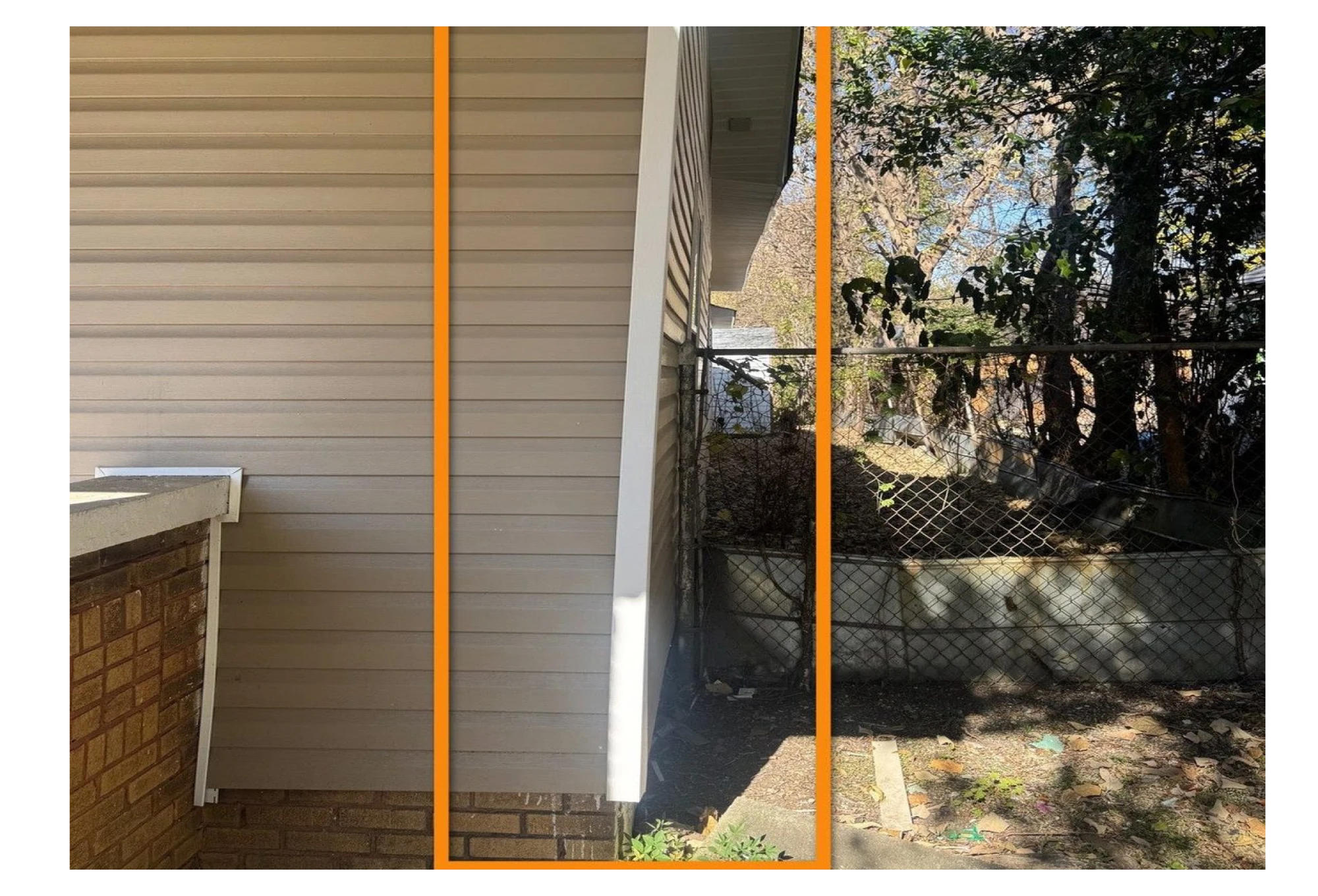
No, your eyes aren’t deceiving you. The corner of this house is leaning! A lean like this usually points to a structural problem. The most common and serious culprit is foundation settlement. Imagine the ground underneath that corner slowly sinking; it takes the house with it and causes the wall to tilt. It could also be from bad framing when the house was built, or maybe something like a past heavy storm pushed the wall. This is a problem the homeowner should not ignore. The next step is to hire a structural engineer who can evaluate the home and recommend the best way to fix it.
INSPECTOR INSIGHTS : GETTING THE LEAD OUT
Homes can hide both visible and invisible hazards. As home inspectors, our job is to identify these dangers and help our clients understand whether they’re present – or could become a problem if repairs aren’t made.
Most people have heard of common home health hazards like asbestos, radon, and lead, but many don’t realize why these materials became such major concerns, or how their use has changed over time.
Even though lead-based paints have been banned since 1978, many older homes still pose a real risk to families today. Let’s take a closer look at the history of lead, why it’s so dangerous, and what homeowners need to know to keep their families safe.
A Brief History of Lead Use
Lead has played a major role in human life for thousands of years. In ancient times, it was used in surprising ways – as a key ingredient in makeup and mascara, a preservative for wine, and even a seasoning for food in ancient Rome.
Lead has played a major role in human life for thousands of years. In ancient times, it was used in surprising ways – as a key ingredient in makeup and mascara, a preservative for wine, and even a seasoning for food in ancient Rome.
Since it was abundant and easy to shape, the Roman Empire relied on lead to build its extensive plumbing systems, carrying water throughout their cities.
Fun fact: The latin word for lead, plumbum, is where we get the words plumber and plumbing still used today!
Fast-forward to the modern era, and lead has found many new purposes. It was added to gasoline to improve engine performance, and used in household paints for its quick-drying, durable, and moisture-resistant qualities. It may sound strange to us today, but lead was nearly everywhere in daily life at one point. But this would not last.
The Dangerous Effects of Lead
The truth is that we’ve known that lead is poisonous for thousands of years. While it was used sparingly before the Roman era, its popularity skyrocketed once it became essential to Roman plumbing and daily life.
The truth is that we’ve known that lead is poisonous for thousands of years. While it was used sparingly before the Roman era, its popularity skyrocketed once it became essential to Roman plumbing and daily life.
Even then, early thinkers warned of its dangers. Pliny and Vitruvius wrote about the toxic fumes produced by smelting lead (see H. A. Waldron’s Lead poisoning in the ancient world) and many credit Hippocrates as the first to document its harmful effects on the human body.
Despite this reputation, lead continued to be widely used for centuries. Its low cost and versatility outweighed health concerns, at least in the public eye. By the mid-1900s, American dependence on lead grew to the highest levels in history. According to the Environmental Protection Agency, the average citizen was exposed to over 5,000 grams per year, compared to only about 550 grams for a Roman citizen.
Meaningful change didn’t come until pediatric researcher Herbert Needleman published his groundbreaking studies linking even low-level lead exposure to developmental issues in children (see more from Dr. Howard Markel at PBS). While high lead levels were already known to cause seizures and even death, Needleman showed that trace amounts could reduce IQ scores and contribute to behavioral problems.
Today, the health risks of lead are taken extremely seriously. It has been phased out of nearly all consumer industries: lead-based paint was banned in 1978, lead piping for public water in 1986, and leaded gasoline in 1996.
What Homeowners Need to Know About Lead Paint
When lead-based paint was still common in homes, it would peel and flake off of high-traffic areas like window sills, door frames, and stairwells. These chips and dust particles could easily find their way into living spaces – and young children who chewed on or ingested them faced serious health risks.
When lead-based paint was still common in homes, it would peel and flake off of high-traffic areas like window sills, door frames, and stairwells. These chips and dust particles could easily find their way into living spaces – and young children who chewed on or ingested them faced serious health risks.
While new homes no longer use lead-based paints, many older homes may still contain it, possibly beneath newer layers. Peeling or deteriorating paint can still pose dangers for families, especially those with small children. And during renovations, sanding or scraping old surfaces can release fine lead dust into the air – a hazard that’s often overlooked.
The EPA recommends hiring contractors who are certified Lead-Safe Renovators to ensure that dust and debris are properly contained during any remodeling project.

Related Posts
While Georgia winters are generally milder than those in northern states, cold snaps, freezing...

Discover the top 10 home inspection red flags in Atlanta. Learn what to watch...