Understanding Winter HVAC Use in Georgia
Most Georgia homes rely on heat pumps, often paired with auxiliary or emergency heat. Heat pumps are efficient in moderate cold but must work harder during sudden temperature drops. Proper maintenance ensures the system transitions smoothly and continues to heat effectively when it’s needed most.
1. Air Filter Maintenance and Indoor Airflow
Air filters play a critical role in system performance and indoor air quality. A clogged filter restricts airflow, reduces heating efficiency, and can cause components to overheat.
Best practices:
Check filters monthly during winter
Replace or clean filters every 30–60 days
Homes with pets or allergies may require more frequent changes
2. The Importance of Professional Winter HVAC Inspections
A seasonal HVAC inspection helps identify wear and performance issues before they escalate.
During a winter tune-up, a technician typically:
Inspects electrical connections
Tests heating output and airflow
Checks safety controls and defrost cycles (for heat pumps)
Confirms proper thermostat operation
Routine inspections help extend equipment lifespan and maintain safe, efficient operation.
3. Outdoor Unit Care for Heat Pumps
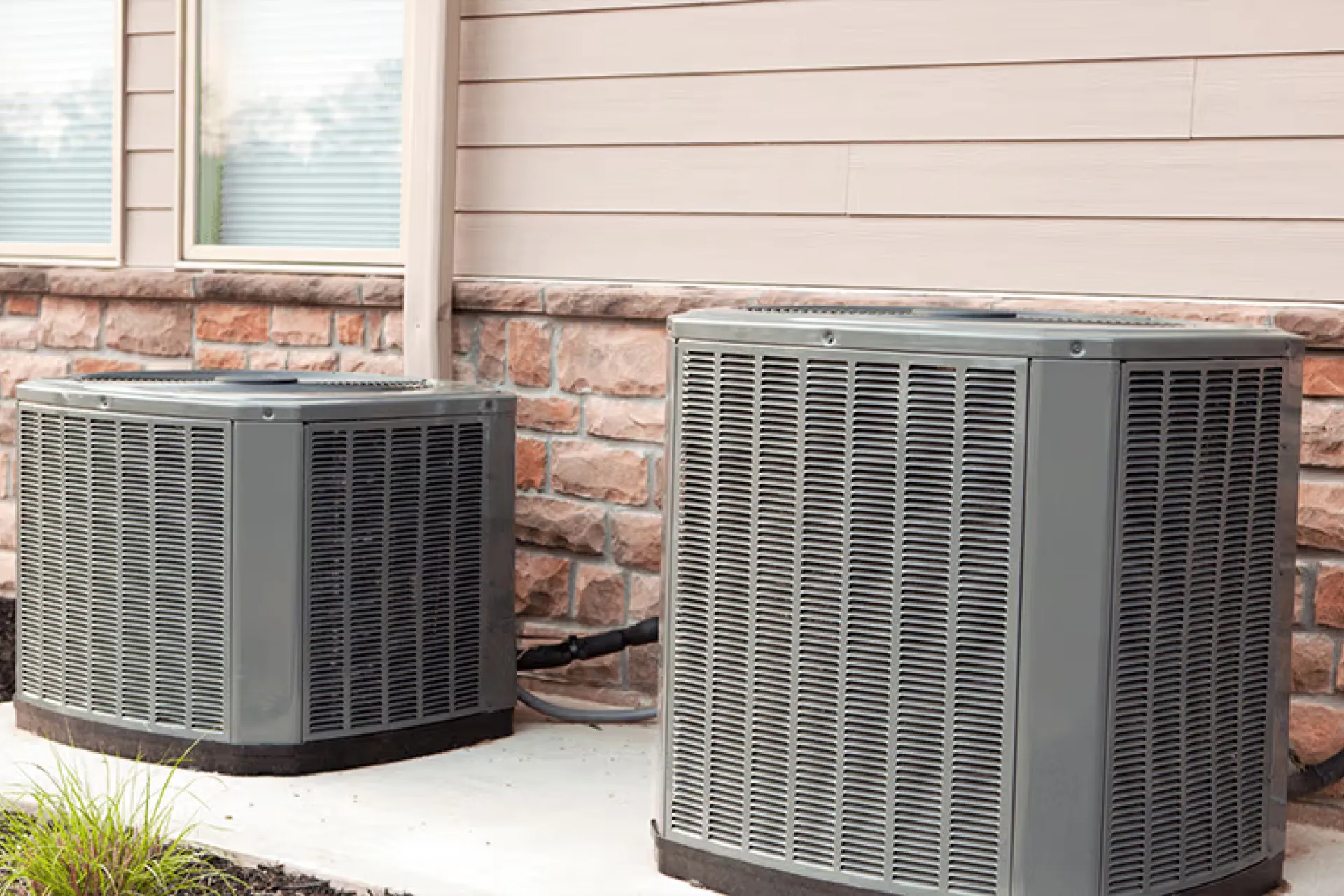
Georgia’s winter conditions often include falling leaves, pine straw, and moisture, which can block airflow around outdoor units.
To protect your system:
Clear debris from around the unit regularly
Maintain 18–24 inches of clearance on all sides
Avoid covering the unit completely, as heat pumps require airflow even in winter
4. Thermostat Management and Energy Efficiency
Frequent temperature adjustments can increase energy use and system wear. Maintaining a consistent temperature improves both comfort and efficiency.
Helpful tips:
Use programmable or smart thermostats to lower heating when sleeping or away
Avoid frequently switching the system on and off
Monitor auxiliary heat use, as it significantly increases energy consumption
5. Sealing Air Leaks to Retain Heat
Even a well-maintained HVAC system can struggle if heat escapes the home.
Focus on sealing:
Gaps around windows and exterior doors
Attic access points
Ductwork leaks in crawl spaces or attics
Proper insulation and air sealing help stabilize indoor temperatures and reduce system cycling.
6. Carbon Monoxide Safety and Indoor Air Quality
Homes with gas furnaces or gas appliances should prioritize carbon monoxide safety during winter.
Safety recommendations:
Test carbon monoxide detectors at the start of winter
Replace batteries annually
Install detectors near bedrooms and main living areas
Safe combustion and clean airflow are essential for a healthy indoor environment.
7. Recognizing Early Warning Signs
Addressing small issues early can prevent costly breakdowns during peak winter demand.
Watch for:
Unusual noises
Uneven heating throughout the home
Persistent odors
Unexpected increases in energy bills
Conclusion
Winter HVAC maintenance in Georgia is less about extreme cold and more about preparation. Regular inspections, proper airflow, and attention to home efficiency help heating systems perform reliably through seasonal temperature swings. Proactive care improves comfort, protects your investment, and supports long-term energy savings.